Pimlico Council Permit Rules for Removals Explained
If you are planning a move in Pimlico, the permit side of things can feel like the annoying bit nobody warned you about. Then suddenly it is 7.30 in the morning, the van is outside, and everyone is asking where the bay booking went. That is exactly why Pimlico Council Permit Rules for Removals Explained matters: it helps you avoid fines, delays, and the kind of last-minute stress that can turn a move into a small drama.
In this guide, we break down what permit rules usually mean for removals in Pimlico, how the process typically works, what can go wrong, and how to plan ahead with a bit more confidence. You will also get a practical checklist, a comparison of common access options, and a real-world example so the whole thing feels less mysterious and more manageable. Let's face it, moving is enough of a job already.
- Why Pimlico Council Permit Rules for Removals Explained Matters
- How Pimlico Council Permit Rules for Removals Explained Works
- Key Benefits and Practical Advantages
- Who This Is For and When It Makes Sense
- Step-by-Step Guidance
- Expert Tips for Better Results
- Common Mistakes to Avoid
- Tools, Resources and Recommendations
- Law, Compliance, Standards, or Best Practice
- Options, Methods, or Comparison Table
- Case Study or Real-World Example
- Practical Checklist
- Conclusion
- Frequently Asked Questions
Why Pimlico Council Permit Rules for Removals Explained Matters
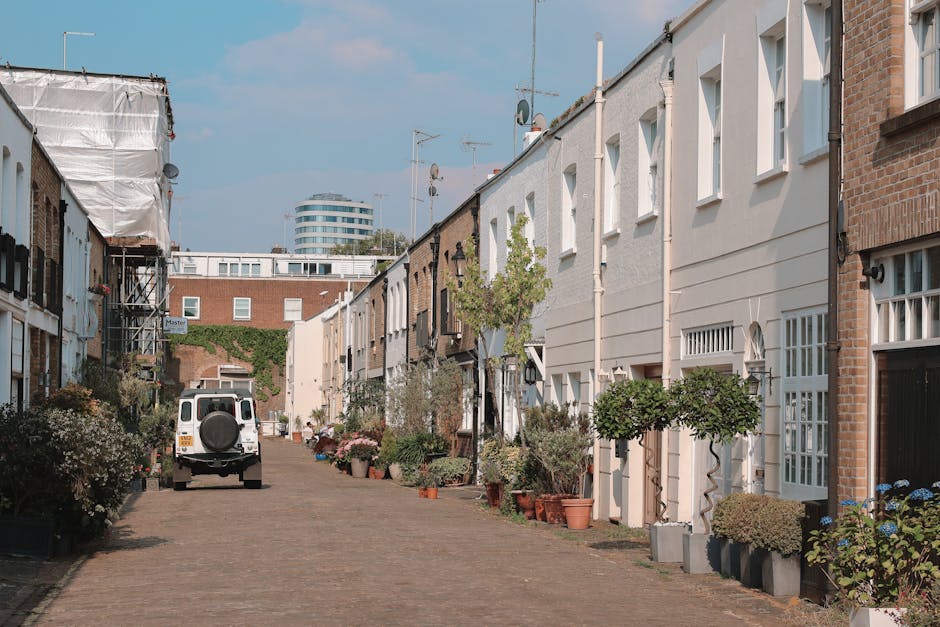
Pimlico is a classic London area where space is tight, access can be awkward, and parking can change from easy to impossible in about two minutes. That combination makes moving day more sensitive to rules than in a suburban street with plenty of room to breathe. If you are loading from a resident bay, double yellow line, shared courtyard, or a narrow residential road, permit planning is not a nice extra. It is part of the move.
The main reason this matters is simple: removal vehicles need legal, practical stopping space. If they do not have it, the crew may have to park further away, carry items longer distances, or wait while you try to sort things out. None of those things are ideal when there is a fridge, a sofa, and a landlord waiting at the other end. A small admin mistake can ripple into a much bigger operational headache.
There is also a wider neighbourhood angle. Pimlico streets are busy, with residents, delivery drivers, tradespeople, and visitors all using the same space. Good permit planning helps avoid friction with neighbours and helps the move run with less noise and less blocking of access. That is a win for everyone, really.
If you are new to the area or still learning how the local streets feel on moving day, it can help to read more about the neighbourhood itself in an insider's view of living in Pimlico and what makes Pimlico such a distinctive part of London. Local context matters more than people think.
How Pimlico Council Permit Rules for Removals Explained Works
At a practical level, the permit process for removals is about making sure your vehicle can stop, load, or unload in a lawful place for the time needed. In many London areas, that may involve resident parking zones, loading bays, timed restrictions, or temporary dispensations arranged in advance. The exact mechanism depends on the street, the type of vehicle, and how long the crew needs on site.
In Pimlico, the process is usually shaped by three questions:
- Can the vehicle legally stop where it needs to stop?
- Is the space controlled, timed, or reserved?
- Does the move need a specific parking arrangement or just careful timing?
For a small move using a man and van in Pimlico, the logistics may be lighter than for a full household relocation. But even a smaller job can still need a loading plan if the van cannot sit directly outside the property. A larger move, especially if you are using house removals in Pimlico, usually needs more attention because the vehicle may stay longer and need more space for ramp access, trolleys, and multiple trips.
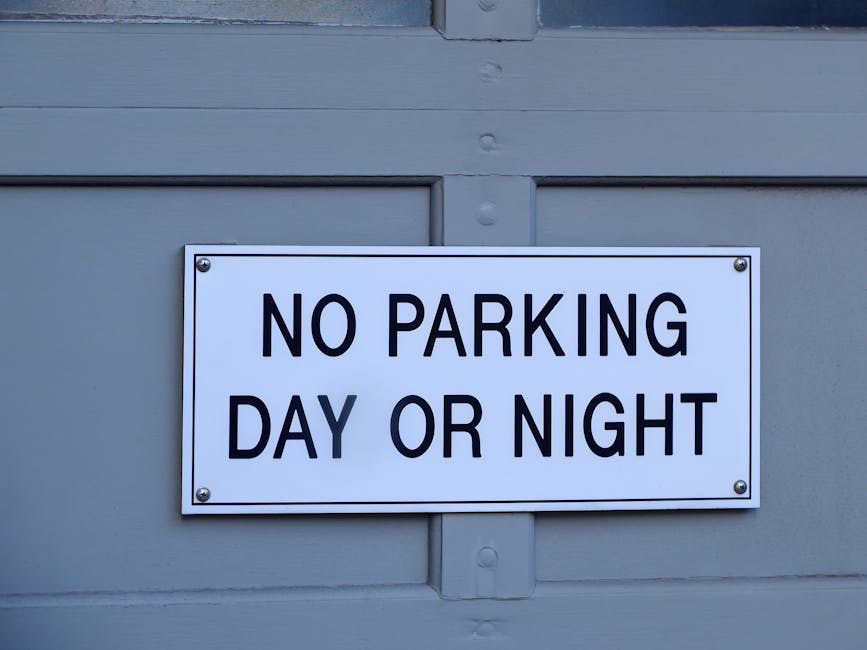
One practical point that catches people out: a permit is not always the same thing as a guarantee of perfect parking right outside your front door. Sometimes it is more about permission to load within rules, not a promise of an effortless doorstep spot. That distinction sounds small. It isn't.
If your building has limited access or awkward loading conditions, you may want to look at loading access tips for Pimlico removals. The principles there are helpful even if you are nowhere near Tate Britain; the street realities are similar enough.
Key Benefits and Practical Advantages
Getting permit planning right does more than keep you compliant. It makes the entire day feel more controlled. That sounds modest, but control is gold during a move. Here are the biggest practical benefits.
- Less delay: the crew can arrive, park, and start work without wasting time looking for a safe stopping point.
- Lower risk of penalties: careful permit planning helps avoid parking tickets and enforcement problems.
- Better access for heavy items: sofas, wardrobes, boxes, and appliances are much easier to move when the vehicle is positioned properly.
- Smoother neighbour relations: nobody likes a van blocking a kerb or a doorway for longer than needed.
- More accurate moving schedules: when parking is sorted, the rest of the job becomes easier to estimate.
There is a commercial benefit too. If you are comparing different moving options, a company that understands local permit rules will usually give a more realistic plan from the start. That can be especially useful when weighing up a full-service move against a smaller vehicle option or a flexible removal services Pimlico package. Local knowledge is not just marketing talk; it saves time.
And to be fair, even if you are organised, permit rules can still feel fiddly. The upside is that once the right plan is in place, the rest of the move often feels surprisingly calm. Well, calmer than it would otherwise.
Who This Is For and When It Makes Sense
This matters for anyone moving in or out of Pimlico, but some people feel the impact more than others. If you live in a mansion block, a converted flat, or a period property with narrow access, permit planning becomes more important. The same goes for anyone moving during busy weekday hours, or anyone relying on a vehicle that needs to stop very close to the entrance.
It is also relevant if you are moving from a top-floor flat without a lift, or if you have bulky items that cannot be carried very far without causing chaos. In those situations, choosing the right service matters too. A dedicated flat removals Pimlico team, for example, may be better prepared for stair access and tight turns than a generalist setup.
Students, renters, homeowners, landlords, and office managers all have different needs, but the permit issue is surprisingly shared. Students usually need fast, tidy loading. Families need space and timing. Businesses need to reduce disruption. If you are moving office equipment, you may also need to think about timing windows and building access, which is why office removals in Pimlico often require a more coordinated plan.
There is another category worth mentioning: people who think, "We only have a few things, it will be fine." Sometimes it is fine. Sometimes it is the tiny move that gets tangled up in a parking restriction because nobody bothered to check. Small move, same rules. Annoying, but true.
Step-by-Step Guidance
If you want the shortest possible route to a smoother move, follow this sequence. It is not glamorous, but it works.
- Check the property's access first. Look at the street, the nearest bay, any yellow lines, and whether the van can reasonably stop close enough to load.
- Ask what kind of vehicle is being used. A compact van, a larger removal van, or a bigger truck all create different parking needs. If you need a larger vehicle, explore a removal van in Pimlico that suits the street layout.
- Work out the timing. Morning loading can be easier in some streets, while midday may be better in others. There is no universal answer.
- Confirm whether a permit, dispensation, or loading allowance is needed. Don't assume the street allows stopping just because other vans are doing it.
- Coordinate with your movers. Good teams can help you plan around access issues, not just show up and hope for the best.
- Prepare the entrance. Keep hallways clear, secure keys, and make sure boxes are grouped logically. Small thing, big impact.
- Have a backup plan. If the closest bay is unavailable, what is your second option? That question alone can save the day.
A sensible move is often less about brute force and more about sequencing. The best operations look almost boring from the outside. That is usually a good sign.
If your move is time-sensitive, you may also want to compare whether a more flexible same day removals Pimlico arrangement is practical. Just remember that speed and parking restrictions still need to play nicely together.
Expert Tips for Better Results
Here is where a bit of local experience really helps. Permit rules and access planning are easier when you think like the person carrying the sofa, not just the person filling in forms.
1. Don't leave parking planning until the night before. The later you leave it, the fewer options you have. It sounds obvious, yet it happens all the time.
2. Measure awkward items, not just rooms. A piano, wardrobe, or big corner sofa can turn a normal loading arrangement into a puzzle. For specialist items, a service like piano removals Pimlico exists for a reason.
3. Think about carry distance. Ten metres can be manageable. Fifty metres is a different day entirely.
4. Keep a local point of contact available. Someone needs to answer the phone if the driver is blocked, confused, or running five minutes behind. Life happens.
5. Build in a little slack. A perfect plan on paper can still meet an unexpected delivery truck, bin lorry, or building access issue. A slight cushion helps.
6. Use the right support for the job. If you are still comparing moving options, start with a reliable removal company in Pimlico that understands the local streets rather than just offering a generic service.
Expert summary: in Pimlico, the best moving day is usually the one where parking is planned before the first box is lifted. Nothing fancy. Just calm, practical coordination.
And a small human note: if you are standing on the pavement at 8am with a clipboard, coffee, and a slightly panicked expression, you are not alone. Happens more than people admit.
Common Mistakes to Avoid
Most permit-related problems come from a handful of repeat errors. Avoid these and you are already ahead of the game.
- Assuming loading is always allowed. Some streets only allow stopping in specific conditions.
- Forgetting building restrictions. Your block may have its own access rules, concierge hours, or lift booking process.
- Choosing a vehicle too large for the street. Bigger is not always better. It can create more friction than it solves.
- Not checking temporary road works or local disruptions. A perfectly legal bay is no help if it is inaccessible on the day.
- Leaving packing until the final hour. That makes the permit window tighter than it needs to be.
- Ignoring disposal and storage needs. If you need to store items or get rid of unwanted furniture, sort it early. The end of a move is a bad time to discover you still have three chairs and nowhere to put them.
For anyone dealing with surplus items, it is worth thinking ahead about storage in Pimlico or the practicalities of post-move clear-outs such as bulky furniture disposal after a Pimlico move. A tidy plan is easier to manage than a pile of "we'll deal with it later" items in the hallway.
Another common mistake is comparing quotes only on headline price. The hidden bits often sit in access assumptions, waiting times, or extra labour. If that sounds familiar, the article on spotting hidden fees in Pimlico removal quotes is worth a look.
Tools, Resources and Recommendations
You do not need a toolkit full of specialist apps to handle permit planning, but a few simple resources make life easier.
- A street-level checklist: write down bay restrictions, loading points, and building access notes.
- Photos of the street and entrance: these help movers judge whether a van can position safely.
- Floor plans or access notes: especially useful for flats, basement properties, and office moves.
- Move-day contact list: driver, building manager, tenant, landlord, or whoever needs to be reachable.
- Box labels: not permit-related, but they reduce unloading time. Which, in turn, reduces parking pressure. Handy, right?
If you are still narrowing down the right level of support, a good place to start is the broader services overview so you can see what type of moving help fits your situation. Some people need a full team, others just need a vehicle and careful loading.
For those managing a lighter load, man with van Pimlico or man with a van Pimlico options may be enough. Just make sure the access rules still match the scale of the job.
If you are comparing paperwork and trust signals too, it can be reassuring to read about insurance and safety and the company's health and safety policy. Good movers do not treat parking as an afterthought; they treat it as part of safe operations.
Law, Compliance, Standards, or Best Practice
Permit rules sit inside a wider framework of local traffic management, parking enforcement, and responsible loading practices. You do not need to become a parking-law specialist, but you should understand the basic principle: if a space is controlled, you must assume the rules apply unless you have confirmed otherwise.
In practical terms, that means the following:
- Do not park in restricted areas without checking the local rules for that street.
- Do not assume a removals vehicle gets automatic exemption from parking controls.
- Plan for time restrictions, bay markings, and building access rules as part of the move.
- Keep communication clear between the customer, the movers, and any building manager.
Best practice also includes fairness to neighbours and safety for pedestrians. That matters in a place like Pimlico where pavements can be busy and road space is limited. A move should not create avoidable hazards, block sightlines, or force people into the road. If a setup feels unsafe, it probably is.
For businesses or anyone handling a more structured relocation, compliance should also include clear terms, transparent pricing, and an understanding of what is and is not included in the service. That is where pages like terms and conditions, payment and security, and complaints procedure become useful trust signals as well as operational reading.
One more thing: if you have accessibility needs, do not leave those out of the conversation. Planning for mobility, lift access, or step-free routes should be part of the compliance-minded approach too. See the accessibility statement for the kind of standards a careful provider should take seriously.
Options, Methods, or Comparison Table
There is more than one way to handle removals in Pimlico, and the best choice depends on vehicle size, access, timing, and how much help you want. Here is a simple comparison.
| Option | Best for | Permit/access pressure | Notes |
|---|---|---|---|
| Small van / man and van | Studios, light flats, quick moves | Lower, but still needs checking | Useful where parking space is tight and carry distances are short. |
| Dedicated removal van | One- to two-bedroom homes, mixed loads | Medium | Needs more careful positioning and may need more loading time. |
| Full house removals team | Family homes, large furniture, multiple rooms | Higher | Usually benefits most from a proper parking plan and timed access. |
| Office removals crew | Workspaces, desks, IT, files | Variable | Often requires careful scheduling, especially if the building is shared. |
| Storage-first move | Staged relocations, renovations, downsizing | Depends on pickup and drop-off points | Can reduce pressure if the move has to happen in phases. |
If you are unsure which route fits your situation, it helps to compare the basics first. A flexible man and a van Pimlico arrangement can work beautifully for smaller jobs, while a more structured house removals Pimlico service is usually better when the property and access are more demanding.
There is no prize for choosing the biggest vehicle if the street is not built for it. Slightly unglamorous truth, that.
Case Study or Real-World Example
Imagine a couple moving from a first-floor flat near the heart of Pimlico into a nearby property a few streets away. They have a sofa, bed frame, several boxes, a dining table, and one very awkward mirror that everyone is suspicious of. The street outside the old flat has limited stopping space, and the closest parking bay is usually busy by mid-morning.
Instead of hoping for the best, they check access the week before. They discover that the best loading option is a short window early in the morning. They also realise that the van they first considered is larger than necessary and would have made the bay situation tighter. So they scale down the vehicle, book a shorter loading slot, and pack by category rather than by room. Nothing dramatic. Just good planning.
On moving day, the driver arrives early enough to position safely, the carry distance is manageable, and the team does not need to keep shuffling the van around to satisfy parking limits. The whole thing still takes effort - moving always does - but it stays under control. No one is sprinting down the road with a lamp and a loose box lid, which is nice.
The real lesson? Permit rules are not a bureaucratic nuisance to ignore. They shape the whole move. Once you treat them as part of the job, everything becomes easier to coordinate.
If you are in a very similar situation and want extra local insight, the guide on Ebury Bridge Estate movers for Pimlico residents is a useful example of how building layout and access planning influence the day.
Practical Checklist
Use this checklist before moving day. A quick run-through now can save a lot of back-and-forth later.
- Confirm the move date and access window.
- Check whether the street has controlled parking or loading restrictions.
- Measure large furniture and note any awkward access points.
- Decide whether a small van or larger removal vehicle is more suitable.
- Keep building entry codes, keys, or concierge details ready.
- Prepare a clear path from the property to the vehicle.
- Label boxes so unloading is quicker.
- Set aside fragile or valuable items separately.
- Plan storage or disposal for items you are not taking.
- Keep your phone charged and on you all day.
- Have a backup parking or loading option in mind.
- Tell neighbours if access may be temporarily limited.
If you need packing help, the right support can make a huge difference, especially in a narrow stairwell or a time-pressured flat move. See packing and boxes Pimlico for a more organised approach. It's one of those unglamorous things that pays off fast.
And if you are moving on a budget, it is worth being selective about where you spend. A small amount of planning often saves more than cutting corners ever will.
Get a free quote today and see how much you can save.
Conclusion
Pimlico Council Permit Rules for Removals Explained comes down to one practical idea: in a dense London neighbourhood, the move is only as smooth as the parking and access plan behind it. If you get the permit side right, you reduce stress, protect timing, and give your removals team a proper chance to do the job well.
Whether you are moving from a flat, a house, or an office, the best outcome usually comes from simple habits: check the street, choose the right vehicle, keep the team informed, and do not leave access planning until the last minute. It's not flashy. But it works.
And once the last box is inside and the van pulls away, the street feels a bit calmer again, the kettle goes on, and the whole thing starts to look manageable after all.
Frequently Asked Questions
Do I always need a permit for removals in Pimlico?
Not always, but you should never assume you do not. It depends on the street, the parking controls, the van size, and whether the vehicle can stop legally for loading or unloading. In many cases, some form of parking or loading arrangement is needed.
What happens if I ignore permit rules on moving day?
You risk delays, fines, and a more difficult loading process. The mover may have to park further away, which adds carrying time and can make the day more expensive or more stressful than it needed to be.
Can a removals van stop in a loading bay without a problem?
Only if the bay and the timing rules allow it. Loading bays are not automatically free-for-all spaces. You still need to check the local restrictions and confirm that the stop is valid for the type of activity you are doing.
How far in advance should I sort out parking for my move?
As early as you can. The earlier you plan, the easier it is to choose the right time slot, vehicle size, and loading approach. Leaving it to the last day often reduces your options sharply.
Are smaller moves easier when it comes to permits?
Usually, yes, but not always. A small load can still be awkward if the street is restricted or the access is poor. The size of the move matters, but so does the actual layout outside the property.
What if my building has a concierge or resident rules too?
Then you need to follow those as well. Building rules and street rules can both apply. It is common for flats and converted buildings to have separate access or booking requirements.
Is a man and van service suitable for Pimlico moves?
For many smaller moves, yes. It can be a practical choice where access is tight and the load is manageable. Just make sure the van size and parking plan suit the local street conditions.
What should I do if I cannot park close to the property?
Work out the backup plan before the move. That might mean adjusting the vehicle choice, changing the load order, or allowing more time for carries. The key is to avoid discovering the issue once the team has already arrived.
Do office moves in Pimlico need different planning?
Often they do. Office removals may involve stricter timing, shared entrances, loading slots, and the need to avoid disrupting staff or neighbours. A more structured plan is usually best.
How can I reduce the risk of hidden moving costs?
Ask how parking, waiting time, stair carries, and access issues are handled before you confirm the job. It is also worth reading guidance on hidden fees in removal quotes so you know what to look for.
Can storage help if permit access is difficult?
Yes, sometimes. If your move has to happen in stages, storage can take pressure off the schedule and reduce the need for everything to be loaded in one tight window.
What is the most common mistake people make in Pimlico?
Honestly, it is underestimating access. People focus on boxes and forget parking, and then moving day becomes a puzzle. A little street planning goes a very long way.