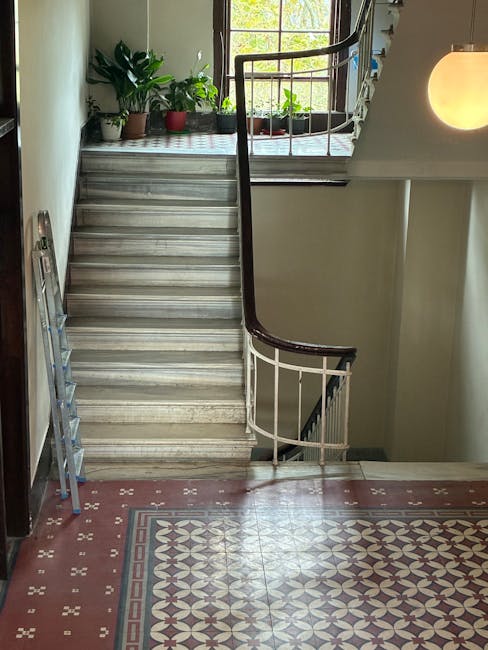
Victorian Stairs & Narrow Flats: Pimlico Moving Fixes
Pimlico looks elegant from the street, and to be fair, it often is. But once you start moving furniture through a Victorian stairwell or into a narrow top-floor flat, the glamour gives way to a very practical question: how do you get everything in without scratching the banister, blocking the landing, or exhausting everyone by 10 a.m.? That is exactly where Victorian Stairs & Narrow Flats: Pimlico Moving Fixes come in. This guide breaks down the real-world problems, the smartest workarounds, and the small decisions that make a big difference on moving day.
Whether you are relocating a studio off a tight staircore, moving into a period conversion, or helping someone else shift a sofa that looks innocent until it reaches the second-floor turn, the aim is the same: move safely, avoid damage, and keep the day calm enough that nobody ends up muttering at the front door.
Why Victorian Stairs & Narrow Flats: Pimlico Moving Fixes Matters
Pimlico has a high share of period properties, mansion blocks, and compact flats where the common areas were never really designed for today's bulkier furniture. That does not mean a move is difficult by default, but it does mean the margin for error is slimmer. A modern modular sofa can be far less forgiving on a tight stair turn than it looks on a product page, and wardrobes that arrive in one piece often leave in several. Sometimes literally.
Victorian staircases tend to have narrower treads, sharper corners, and less headroom on turns. Add shared entrances, basement steps, awkward hallways, and residents who still need to get past you, and the job becomes more about choreography than brute strength. The moving fix is not just one trick. It is a chain of small adjustments: the right vehicle, the right lifting method, proper measuring, and packing that anticipates the building rather than fights it.
This matters for three reasons. First, damage in period buildings is expensive and awkward to explain. Second, poor planning slows the move and increases stress. Third, some access issues in Pimlico are predictable, which means they can be managed before the first box leaves the van. That is the good news. A bit of preparation goes a long way.
If you are still deciding what type of removals support makes sense for your place, it may help to read more broadly about Pimlico removal companies and the practical differences between a full crew and a lighter setup like man with van Pimlico support. The right choice often comes down to stairs, access, and how much heavy lifting is involved.
How Victorian Stairs & Narrow Flats: Pimlico Moving Fixes Works
At a basic level, the method is simple: reduce risk before you lift anything. In practice, that means checking access points, breaking down furniture where possible, choosing loading positions carefully, and moving the largest or heaviest items in the order that causes the least friction. Sounds obvious, but you would be surprised how many moves start with the biggest item first and the least amount of room to turn it.
A good fix usually begins days before the move. The mover or householder measures the stair width, landing depth, door frame clearance, and any sharp corners. Then the items are matched to the route. Sometimes a wardrobe can go up or down on edge with the right team. Sometimes it needs to be dismantled. Sometimes it simply is not worth forcing and storage or disposal becomes the smarter option. That is not defeat. It is judgement.
On the day itself, crews tend to work in one of three ways:
- Carry and rotate: best for lighter furniture that can be turned through tight corners.
- Disassemble and rebuild: ideal for beds, wardrobes, desks, and larger tables.
- Stair-protected handling: used when the item must pass close to walls, bannisters, or paintwork.
In many Pimlico flats, it is also sensible to split the load between the stairwell and the van so nobody is queueing on the landing with a chest of drawers while someone else is still trying to get through the front door. Small thing, big difference.
If your move is mainly a flat-to-flat transfer, the specialist approach described on flat removals Pimlico is especially relevant. And if the move involves awkward access, shared hallways, or a tight turn on the way out, a detailed look at services overview can help you match the job to the right level of support.
Key Benefits and Practical Advantages
The main advantage of planning around Victorian stairs and narrow flats is simple: fewer surprises. But there is more to it than that. Done well, this kind of move is smoother, safer, and usually less expensive than a rushed attempt that ends in delays or damage.
- Less risk of property damage: careful handling protects plaster, bannisters, walls, and communal areas.
- Better use of time: if the route is planned, the team spends less time pausing, regripping, and rethinking every turn.
- Lower stress: you are not improvising under pressure while holding a mattress at an angle that no one enjoys.
- Safer lifting: smaller, smarter loads are easier on backs, shoulders, and hands.
- More predictable costs: planning reduces avoidable labour overruns and last-minute callouts.
There is another, slightly underrated benefit: better neighbour relations. In period blocks, people notice noise, hallway blockages, and messy common areas. A tidy, well-run move makes a decent impression and keeps complaints to a minimum. That matters more than people think, especially in tightly shared buildings where word travels fast.
For readers comparing different moving setups, it may help to explore man and van Pimlico, man with a van Pimlico, and house removals Pimlico. Each has a different fit depending on the size of your property and the difficulty of access. The best option is not always the biggest one.
Who This Is For and When It Makes Sense
This approach is for anyone moving in, out, or within a Pimlico property where stairs and layout are more likely to matter than the distance between postcodes. That includes:
- tenants in upper-floor Victorian conversions
- buyers moving into compact period flats
- landlords arranging changeovers between occupants
- families downsizing into smaller central London homes
- students or professionals with limited furniture but tricky access
It also makes sense when you have one or two items that are awkward rather than many items that are small. A single heavy wardrobe can be more disruptive than twenty boxes. A piano, a marble-topped sideboard, or a glass cabinet can turn a simple move into a careful operation. In those cases, the issue is not just size. It is shape, weight distribution, and fragility.
If you are moving under time pressure, the relevant pages on same day removals Pimlico and student removals Pimlico show how different moving needs can be handled without overcomplicating the process. Not every job needs a full house crew, but every job does need a clear plan. Truth be told, that is what saves the day.
Step-by-Step Guidance
If you want a move to go smoothly in a Victorian stairwell, do not start with the van. Start with the building. Then work outward.
- Measure the route. Check stair width, ceiling height on landings, door frames, and awkward turns. If a wardrobe needs a diagonal lift just to clear the first landing, know that before moving day.
- List the problem items. Mark anything large, heavy, fragile, or awkwardly shaped. Sofas, armchairs, beds, desks, mirrors, and tall bookcases usually need the most thought.
- Decide what should be dismantled. Flat-pack furniture often travels better in pieces. Real wood furniture may need careful partial disassembly. If a piece cannot be reasonably moved whole, it is usually better to loosen it properly than force it.
- Protect the building. Use blankets, edge protection, and floor coverings where the route is tight. Shared staircases in Pimlico can be elegant, but they are still vulnerable to scuffs.
- Plan the loading order. Put the hardest item first or last depending on the route. That avoids trapping smaller boxes behind a sofa you cannot pivot.
- Keep a clear landing. Do not let boxes pile up on turns. It slows the whole move and creates trip hazards.
- Keep tools close. Screwdrivers, Allen keys, tape, and spare bags should be easy to reach. Hunting for them after the furniture is half-lifted is miserable.
- Leave breathing room in the van. A tightly packed van is not always a well-packed van. You still need space for safe unloading and securing items properly.
One practical detail that people forget: the exit route matters as much as the entrance. A sofa that came in during a fresh, uncluttered morning may be much harder to remove when there are bins, scooters, and neighbours coming through by late afternoon. London timing, eh? It changes everything.
Expert Tips for Better Results
Here are the small adjustments that tend to make the biggest difference. They are not flashy, but they work.
- Measure furniture diagonally, not just straight across. Diagonal clearance is often the deciding factor on stair turns.
- Remove handles, feet, and shelves. A few centimetres can be the difference between a smooth pass and a stuck item.
- Use the lightest route for the heaviest item. Sometimes the back entrance, side access, or basement route is easier than the main stairs.
- Wrap vulnerable corners twice. Period plaster chips easily. So do polished wooden edges.
- Label boxes by room and priority. In narrow flats, the unloading order matters because storage space at the destination is limited.
- Take a quick photo of tricky furniture before dismantling. You will thank yourself later when rebuild time comes around.
A good local mover will also ask questions about loading bays, parking distance, and whether a lift is usable or just decorative. If the access at either end is awkward, the page on Tate Britain loading access Pimlico removal tips is a useful reminder that street-level access in central Pimlico can be as important as what happens inside the flat.
One more thing: if you have anything unusually valuable, heavy, or sensitive, it is worth reading the company's approach to insurance and safety. That is not just paperwork. It is part of moving sensibly.
Common Mistakes to Avoid
The most common mistake is assuming a flat move is automatically a small job. Sometimes it is. Often it is not. A modest two-bed on the fourth floor can be more demanding than a larger home with easy ground-floor access. The stairs do the talking.
Other mistakes show up again and again:
- Not measuring the stairwell properly. Guesswork is where problems begin.
- Leaving dismantling until the last minute. People always think they will "just work it out on the day". Usually a bad plan.
- Overpacking boxes. Heavy boxes are harder to lift and more likely to split on stairs.
- Ignoring shared-space etiquette. A blocked corridor or noisy, rushed move can create friction with neighbours.
- Using the wrong vehicle size. Too small means extra trips; too large can mean awkward parking and more carrying distance.
- Not separating fragile items. Mirrors, lamps, artwork, and glass need different handling from books and bedding.
There is also a quieter mistake: not asking for advice early enough. The best time to identify access issues is before your sofa is wedged halfway around a bannister. After that, everyone gets very philosophical very quickly.
Tools, Resources and Recommendations
You do not need a van full of specialist kit, but a few things genuinely help. Most are simple, which is nice. Moving is complicated enough without a gadget wall.
- Furniture blankets: protect paint, varnish, and polished surfaces.
- Ratchet straps or load straps: useful for securing items safely in transit.
- Dollies and hand trucks: helpful for getting heavy items to the base of stairs.
- Gloves with grip: small upgrade, huge difference when handling awkward boxes.
- Socket set and screwdrivers: essential for dismantling beds, tables, and shelving.
- Floor protection: especially useful in period entrances where the surface marks easily.
For people comparing support levels, furniture removals Pimlico is a sensible place to look if the main challenge is bulky household pieces, while piano removals Pimlico is the more relevant route when weight, balance, and precision matter. If the move is part of a larger transition, storage Pimlico can also take pressure off a tight stairwell by letting you move in stages rather than all at once.
A related practical angle is disposal. If a bulky item simply will not fit safely, or if it is no longer worth moving, the article on bulky furniture disposal after a Pimlico move is useful reading. Sometimes the smartest move is not moving the thing at all. There, I said it.
Law, Compliance, Standards and Best Practice
For most home moves, the legal and compliance side is mostly about safety, access, and care. There is rarely one dramatic rule that solves everything. It is more a matter of good practice and taking reasonable steps to avoid injury or damage. If your move involves shared entrances, landlords, managing agents, or building rules, it is wise to check access arrangements early and communicate clearly.
Good practice usually includes:
- Safe manual handling: lifting should be planned, not improvised.
- Clear access routes: stairways, hallways, and exits should stay as open as possible.
- Care for common areas: walls, carpets, and bannisters should be protected where needed.
- Insurance awareness: understand what level of cover is in place before work begins.
- Transparent pricing and terms: know what is included, especially if access conditions may change the job.
For readers who want reassurance on how a mover handles responsibility and customer care, the company pages for health and safety policy, complaints procedure, terms and conditions, and privacy policy can help set expectations. They are not exciting reading, granted, but they do matter when you want a move handled properly.
It is also sensible to look at accessibility statement if you or someone in the household needs additional support with stairs, narrow passages, or limited mobility. Good moving practice should work for real people, not just idealised floor plans.
Options, Methods, or Comparison Table
Different Pimlico moves call for different fixes. Here is a simple way to compare the common approaches.
| Method | Best for | Strengths | Trade-offs |
|---|---|---|---|
| Man and van | Small flat moves, a few bulky items, flexible access | Fast, adaptable, often ideal for compact homes | Less suitable for very heavy or high-volume jobs |
| Man with a van | General domestic moves where labour and vehicle need to stay lean | Good balance of cost and practicality | May need extra support for difficult stairs or fragile furniture |
| Full removals service | Heavier homes, larger furniture, more complex access | Best for planning, lifting, and protection | Usually more structured and may cost more |
| Storage plus staged move | Renovations, delayed handovers, or tight staircases | Reduces pressure and lets you move in phases | Requires extra organisation and timing |
For a broader comparison of moving formats, the pages on man and a van Pimlico, man and van Pimlico, and removal services Pimlico are worth reviewing. They help you choose a setup that fits both the property and your own tolerance for chaos, which is lower for most of us than we admit.
Case Study or Real-World Example
A fairly typical Pimlico move might look like this: a one-bedroom flat on the third floor of a Victorian terrace, no lift, narrow communal stairs, and a large sofa that seemed perfectly normal in the showroom. The sofa arrives first. The team measures the stair turn, checks the landing, and realises it will not clear upright. Rather than force it, they remove the feet, rotate it on its side with padding, and bring it up slowly with one person guiding from below and one controlling the top. It fits, but only just. The same flat also has a bed frame, a chest of drawers, and two bookcases that are better dismantled than dragged through the stairwell like a stubborn puzzle.
What made the difference was not muscle. It was sequence. The furniture was planned in the right order, protection was used on the sharp corners, and the crew left enough room at each landing to pivot without pressure. The move still took effort, naturally. But the day stayed controlled. No scuffed walls, no snapped handles, no raised voices echoing down the stairwell. Just a bit of work, done properly.
That is the core of Victorian stair moving fixes in Pimlico: careful route planning, realistic item handling, and a willingness to adapt when the building says "not that way".
Practical Checklist
Use this checklist before move day. It keeps the process tidy, and honestly, it saves a lot of head-scratching.
- Measure stair widths, landings, doors, and any tight turns.
- Identify the heaviest and widest furniture early.
- Decide which items must be dismantled.
- Book the right moving support for the access level.
- Confirm parking, loading, and arrival timing.
- Protect walls, floors, and bannisters where needed.
- Pack heavy items into smaller boxes.
- Label fragile and priority boxes clearly.
- Keep tools, tape, and spare bags within reach.
- Set aside items for storage or disposal if they will not fit safely.
- Check insurance and building requirements before moving day.
- Leave a clear route through the flat and stairwell.
A small tip that often gets overlooked: keep a kettle, mugs, phone charger, and basic cleaning supplies separate. When the flat is half-empty and the hallway is full of boxes, those basics are the first things you will miss. It sounds trivial until it is 7 p.m. and everything is in the wrong room.
Get a free quote today and see how much you can save.
Conclusion
Victorian stairs and narrow flats do not need to turn a Pimlico move into a battle. They just need the right kind of respect. Measure properly, plan for turns, choose the right moving method, and protect the building as if it were your own. That mindset changes the whole day. It makes the work safer, the timing calmer, and the result far more predictable.
In a neighbourhood full of period character and compact living spaces, the best moving fix is usually the simplest one: understand the route before you lift the first box. Do that, and even the trickiest stairwell starts to feel manageable. Not easy. But manageable. And that, on moving day, is a very good place to be.
Frequently Asked Questions
What is the main challenge with Victorian stairs in Pimlico?
The main challenge is the combination of narrow treads, tight turns, limited landing space, and reduced headroom on some staircases. That makes large items harder to rotate safely.
How do movers handle furniture that will not fit up the stairs?
They may dismantle it, change the route, move it on edge with protection, or suggest storage or disposal if it is not practical to force through the stairwell.
Is a man and van service enough for a narrow flat move?
Sometimes yes, especially for smaller homes or lighter loads. If you have heavy furniture, several flights of stairs, or fragile items, a fuller removals setup is often better.
Should I measure my staircase before booking a mover?
Yes. Measuring the stair width, landing depth, door frames, and any awkward turns is one of the most useful things you can do before booking.
What furniture usually causes the most trouble?
Wardrobes, sofas, beds, bookcases, dining tables, mirrors, and pianos tend to cause the most trouble because they are large, awkward, or heavy.
Can I move in and out of a Victorian flat without dismantling furniture?
Sometimes, but not always. If an item is even slightly too large for the stair turns, dismantling is usually the safer and faster choice.
How can I protect walls and bannisters during a move?
Use blankets, corner protection, and careful handling. It also helps to keep the stairwell clear so furniture is not dragged or bumped when turning corners.
What should I do if there is no lift in the building?
Plan for the stairs from the start. That means smaller loads, better packing, and the right amount of labour for the number of floors involved.
Is storage a sensible option for difficult items?
Yes. Storage can be very useful if you are moving in stages, renovating, waiting for access, or dealing with pieces that are too awkward to move immediately.
How far in advance should I plan a Pimlico flat move?
As early as you can. Even a small move benefits from early measurement, route planning, and checking access conditions at both ends.
What if my move has to happen quickly?
If timing is tight, focus on the essentials first: confirm access, identify the heaviest pieces, and choose a moving service that can handle the load without wasting time.
Do I need special cover for a move involving stairs?
It is sensible to understand the mover's insurance and safety approach, especially if the building has tight access or expensive finishes that need care.
Where can I compare the main Pimlico moving options?
Useful starting points include removals Pimlico, removal van Pimlico, and pricing and quotes. They help you match the job to the right level of support.
What is the smartest first step if I am unsure about access?
Measure the route and identify the problem items before anything else. Once you know where the bottleneck is, the rest of the move becomes much easier to plan.