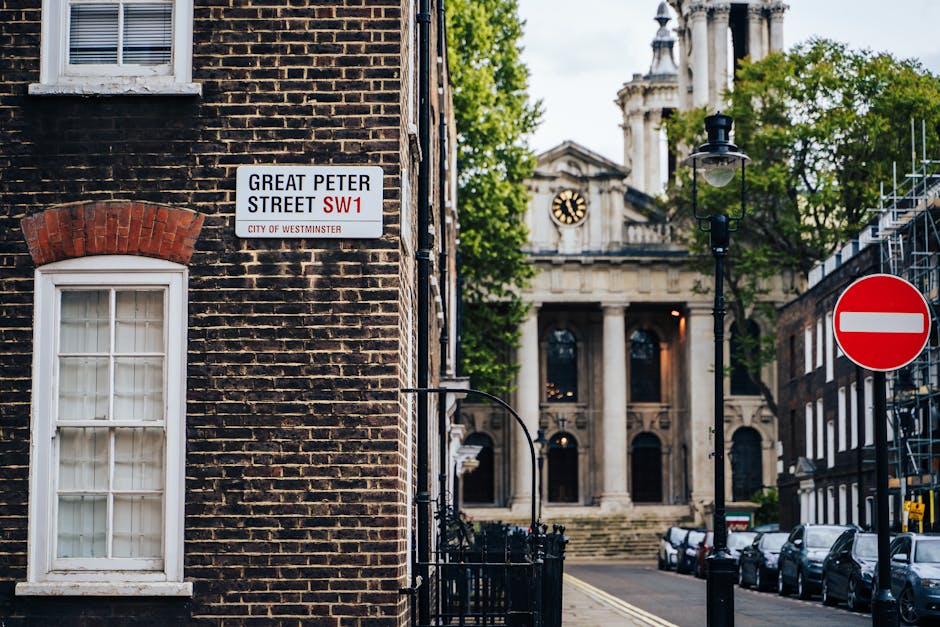
Skip and Double-Parking Fines in Westminster for Pimlico: A Practical Guide for Safer, Smarter Parking
If you are arranging a skip, moving a bulky load, or simply trying to avoid a frustrating ticket outside a Pimlico property, the subject of Skip and Double-Parking Fines in Westminster for Pimlico gets relevant very quickly. Westminster streets can be tight, timings matter, and a small parking mistake can turn into an expensive headache. This guide explains how the fines usually arise, why they matter in everyday moving and waste-removal work, and what you can do to stay on the right side of things without overcomplicating your day.
Whether you are planning a flat clearance, a refurbishment, or a same-day collection, the real goal is simple: protect your budget, keep access clear, and avoid avoidable stress. Let's face it, nobody wants to spend a morning arguing over a ticket when there is already a sofa on the pavement and a lift that is, predictably, playing up.
Why Skip and Double-Parking Fines in Westminster for Pimlico Matters
Pimlico sits in a part of London where parking space is precious and road space is shared by residents, visitors, delivery vehicles, tradespeople, and moving vans. That creates a genuine pressure point. A skip placed without the right permissions can cause complaints or enforcement action. A vehicle left double-parked "just for a minute" can become an expensive lesson in how fast Westminster enforcement can move.
The reason this matters is not only the fine itself. It is the knock-on effect. A penalty can delay a move, interrupt waste collection, upset neighbours, and make a tidy plan feel messy very quickly. In a neighbourhood of Victorian conversions, mansion blocks, and narrow streets, the margin for error is slim. You can see why local planning and loading access matter so much, especially if you have already been dealing with narrow staircases and awkward corners, as discussed in Victorian stairs and narrow flats in Pimlico.
There is also a budgeting angle. If you are coordinating a move, clear-out, or home improvement project, parking penalties can silently eat into the money you meant to spend on the job itself. That is where a little preparation pays off. A lot, actually.
Practical takeaway: in central Westminster locations like Pimlico, parking and loading decisions should be treated as part of the job plan, not as an afterthought.
How Skip and Double-Parking Fines in Westminster for Pimlico Works
Most people think of a parking fine as a simple "you parked badly, now pay." In practice, it is more layered than that. A skip, a trade vehicle, or a moving van may be fine in one setting and risky in another, depending on where it is placed, how long it stays, what restrictions apply, and whether the vehicle is obstructing traffic or access.
For a skip, the issue is usually the placing of the skip on the public highway or in a restricted bay without the proper permission, or leaving it where it creates a hazard. For double-parking, the main concern is obstruction. Even if the driver stays close by, a vehicle can still attract enforcement if it blocks flow, narrows the carriageway, or sits where waiting restrictions apply.
In local moving work, the problem often shows up during a busy 15-minute window. A removal vehicle stops outside a building, a second vehicle cannot pass cleanly, and the driver is tempted to "just hold it there." That is where things can go sideways. A short stop can still be enough for an enforcement officer to issue a penalty if the circumstances fit.
People sometimes assume that hazards lights, a driver being present, or a quick turnaround makes the problem disappear. It usually does not. Human logic and parking enforcement do not always agree, oddly enough.
If you are planning a move around Westminster, it helps to read about the local permit and access side of the process as well, including Pimlico council permit rules for removals explained. The more you understand the route, the less likely you are to pay for avoidable mistakes.
Key Benefits and Practical Advantages
Staying ahead of skip and double-parking issues is not just about avoiding penalties. There are some clear practical advantages that make the whole operation smoother.
- Lower total project cost: you reduce the chance of tickets, extra fees, and wasted time.
- Better schedule control: one clean loading window is easier to manage than repeated interruptions.
- Less neighbour friction: no one enjoys a lorry blocking the street longer than necessary.
- Safer working conditions: fewer vehicles stuck in awkward positions means fewer near-misses and less stress.
- Cleaner handover: if you are moving out of a flat, a well-managed loading plan feels more professional and less chaotic.
Another benefit, often overlooked, is that better parking planning improves the experience for everyone involved. The removal team works faster. The resident feels less rushed. And the building entrance is not left looking like a temporary depot. Small thing? Maybe. But in a place like Pimlico, small things matter.
For households or landlords managing multiple moving parts, it can also make sense to think about the wider logistics, not just the parking issue. Services like house removals in Pimlico and flat removals in Pimlico are often easiest when parking, access, and loading are planned together rather than separately.
Who This Is For and When It Makes Sense
This topic is relevant to a lot more people than you might first think. If you are a tenant, owner-occupier, landlord, facilities manager, tradesperson, or removal planner in Pimlico, you are likely to encounter the same basic parking pressure at some stage.
It makes sense to prioritise this before:
- a house or flat move
- a spring clear-out or declutter
- a kitchen or bathroom renovation
- a delivery of heavy furniture
- an office relocation
- a waste clearance or skip hire
It is also worth thinking about if you are helping an elderly relative, managing an inherited property, or dealing with an urgent same-day job. In those scenarios, people often focus on the item being moved and forget the street outside. But the street is part of the job. If you miss that bit, the rest gets harder.
For short-notice situations, something like same-day removals in Pimlico can only work well if parking and loading are thought through immediately. The best emergency plan is still a plan.
Step-by-Step Guidance
Here is a practical way to approach skip and double-parking risk in Westminster for Pimlico without overthinking it.
- Check the street conditions first. Look for yellow lines, resident bays, loading restrictions, bus stops, and any obvious pinch points near junctions or crossings.
- Decide whether the vehicle needs to stop on the road or at the kerb. If the vehicle is likely to sit in the carriageway, the risk of double-parking fines increases.
- Plan the timing. Early morning and quieter periods can be easier, but do not assume they are automatically safe. Restrictions still apply.
- Confirm whether a skip is the right solution. Sometimes a grab lorry, a man and van load, or a timed clearance is more practical than leaving a skip in place.
- Build the loading sequence. Put the heaviest items nearest the exit, stage boxes, and keep walkways clear. It sounds obvious. Then moving day arrives and chaos walks in wearing boots.
- Assign one person to parking awareness. Someone needs to watch the street, not just the hallway.
- Keep the stop as short as possible. If a vehicle must pause, make sure the team is ready before it arrives.
- Document what was agreed. Keep notes of who arranged the access plan, what time window was used, and what constraints were identified.
A small but useful point: if you are coordinating furniture or bulky items, the loading strategy should sit alongside waste planning. A route that works for a sofa may not work for a skip, and vice versa. If you need inspiration on clearing surplus items after a move, see bulky furniture disposal after a Pimlico move.
Expert Tips for Better Results
After handling enough local moves and access-heavy jobs, a pattern becomes clear. The projects that run smoothly are rarely the ones with the fanciest equipment. They are the ones with the cleanest planning.
Tip 1: treat the pavement like part of the worksite. If pedestrians, neighbours, or other vehicles still need to pass comfortably, your setup is probably more realistic. If not, rethink it.
Tip 2: avoid emotional parking decisions. This sounds funny, but people do it all the time. "I'll just stop here for a second" becomes a ticket because the driver felt under pressure. Calm beats hurried, every time.
Tip 3: protect the loading area. In tight Pimlico streets, one cone or one person standing by the vehicle can save five minutes of confusion. That is often enough to prevent double-parking in the first place.
Tip 4: choose the method that fits the street, not the other way round. A large vehicle may work brilliantly on a quiet road and terribly on a narrow one. If access is awkward, consider smaller vehicles, split loads, or staggered collections. Services such as man and van in Pimlico or man with van in Pimlico can sometimes suit tighter streets better than a larger single-vehicle setup.
Tip 5: keep receipts and written notes. If a parking or access issue does arise, clear records help you work out what happened and where the process broke down. Boring? Yes. Useful? Absolutely.
For anyone comparing moving options, it can also help to review the wider choice of services overview and decide whether the job is better handled as a full removal, a partial load, or a simple vehicle hire.
Common Mistakes to Avoid
Most parking penalties in this context are not caused by dramatic mistakes. They come from small assumptions that stack up.
- Assuming "quick stop" means "no problem." Enforcement does not always care how brief your intention was.
- Ignoring loading restrictions. A space that looks usable may still be restricted at the wrong time.
- Blocking the street while unpacking decisions are still being made. Sort the plan first, then move the vehicle.
- Leaving a skip or vehicle where it narrows traffic too much. Even if people can technically pass, that may not be enough.
- Forgetting building access times. If the lift, concierge, or management rules limit when work can happen, your street plan must match them.
- Not briefing the driver or crew properly. One person should understand the stop point, the backup point, and the exit route.
A very common one in Westminster is overconfidence. Not arrogance, just a bit of "we'll be fine." And honestly, sometimes you will be. But the cost of being wrong is annoying enough that it is worth taking the cautious route.
Tools, Resources and Recommendations
You do not need a pile of gadgets to manage this well. You need the right information, a realistic timeline, and the right service level for the job.
Useful things to have in hand:
- a simple written schedule for loading and collection
- building access instructions
- clear measurements for bulky items
- basic photos of the street and frontage
- contact details for the person overseeing the move or clearance
For more structured support, it can be helpful to work with a provider that understands local access pressure and does not treat parking as a side issue. If you are arranging a larger move, look at removals in Pimlico or removal services in Pimlico. For more specialist jobs, furniture removals in Pimlico and office removals in Pimlico can be better suited than a generic one-size-fits-all approach.
If you are handling boxing, staging, or long-term overflow during a move, it may also help to review packing and boxes in Pimlico and storage in Pimlico. Fewer last-minute piles mean less pressure on the loading window. Simple, but it works.
Law, Compliance, Standards, or Best Practice
Because this topic touches parking, highway use, and local access, it is wise to treat compliance carefully. Exact rules can vary depending on the street, the vehicle type, and the local restrictions in place at the time. It is best practice to assume that any public-road obstruction may be monitored, and that any skip placement or prolonged stop requires proper checking before work begins.
In plain English: if a skip, van, or removal vehicle is going to affect road use, do not treat that as a casual detail. That is the point where projects drift from practical into problematic. Westminster locations in particular tend to reward preparation and punish improvisation. The safer mindset is to check first, move second, and avoid making assumptions about what is "probably fine."
Best practice also includes making sure crews understand safety obligations. If a team is lifting heavy items near traffic, moving through cramped entrances, or working around a live loading bay, there should be a clear plan for communication and hazard awareness. For a sense of how a responsible provider should approach that side of work, see the site's health and safety policy and insurance and safety information.
Options, Methods, or Comparison Table
Different situations call for different approaches. Here is a practical comparison that may help you decide what fits best.
| Method | Best for | Parking pressure | Typical advantage | Main risk |
|---|---|---|---|---|
| Skip hire | Large volumes of waste from a longer project | Medium to high if placed on the highway | Good for ongoing disposal | Needs careful placement and monitoring |
| Man and van load-out | Smaller moves or mixed items | Lower if the stop is brief and organised | Flexible and quick | Can still trigger double-parking issues if the loading is slow |
| Full removal service | House or flat moves with many items | Medium, depending on vehicle size and access | Coordinated, less stressful | Needs solid planning around the street and building access |
| Split-load collection | Narrow streets or awkward frontage | Lower per visit | Reduces congestion and time on road | May take longer overall |
If access is particularly tight around your property, the easier route is not always the biggest truck. Sometimes two smaller visits beat one ambitious one. Not glamorous, but effective.
Case Study or Real-World Example
Imagine a Pimlico resident clearing a two-bedroom flat before a tenancy handover. The plan is to remove broken furniture, bagged household waste, and a few boxes of mixed items. At first, the resident thinks a large vehicle and a same-stop collection will be quickest.
Then the street reality kicks in. There is a narrow frontage, resident bays nearby, and only a short window before traffic gets busier. Instead of forcing a single large stop and risking a double-parking ticket, the team breaks the job into a tighter sequence: items are staged indoors first, lift access is checked, the vehicle arrives only when everything is ready, and heavier items are moved in the final stretch.
The result is not magic. The vehicle is not parked for long, neighbours are not blocked out for half the morning, and the flat is cleared without the panicked feeling that often comes with a last-minute scramble. That is the real win. No heroics, just a tidy process.
For similar jobs around local estates, the same logic applies. If you are dealing with block access, loading restrictions, or difficult frontage, local experience matters. Resources like the Ebury Bridge Estate movers guide for Pimlico residents and Tate Britain loading access tips are useful because they reflect the kind of on-the-ground constraints people actually meet.
Practical Checklist
Use this checklist before any skip placement or loading stop in Westminster for Pimlico.
- Confirm the exact street and frontage conditions.
- Check for parking restrictions, loading limits, and narrow access points.
- Decide whether the job needs a skip, a van, or a fuller removal setup.
- Make sure the crew knows the arrival time and the loading sequence.
- Stage items inside before the vehicle is brought in.
- Keep the stop brief and purposeful.
- Have a backup plan if the frontage is blocked or the space is unusable.
- Protect neighbours and pedestrians by keeping pathways clear.
- Record any relevant instructions or special access notes.
- Review the project afterward so the next one runs even better.
Quick summary: if the street is tight, the best solution is often the one that reduces road time, keeps the loading line clear, and avoids improvisation at the kerb.
Conclusion
Skip and double-parking fines in Westminster for Pimlico are not just a minor admin issue. They are a sign that parking, access, and loading need to be treated as part of the project itself. Once you do that, everything becomes calmer: the team knows what to do, neighbours are less inconvenienced, and you are far less likely to get caught out by a ticket that could have been avoided.
The best approach is straightforward. Check the street, choose the right vehicle or disposal method, keep the loading window tight, and do not assume a short stop is automatically safe. Pimlico rewards people who plan well. Truth be told, that is half the battle in this part of London.
If you are preparing a move, clearance, or heavy-item job and want it handled cleanly, it helps to work with a local service that understands the roads, the timing, and the pressure points. A bit of preparation now can save a lot of hassle later.
Get a free quote today and see how much you can save.
Frequently Asked Questions
What are skip and double-parking fines in Westminster for Pimlico usually related to?
They are usually linked to placing a skip or vehicle where it obstructs the road, ignores restrictions, or creates a loading or parking issue on a Westminster street in Pimlico. The exact circumstances matter, so it is worth checking the site conditions before the job starts.
Can I leave a van outside my Pimlico property for a quick load?
Sometimes, but "quick" does not automatically mean "safe from enforcement." If the stop blocks traffic, sits on restricted space, or narrows the carriageway too much, a fine can still be a risk. Always plan the loading point first.
Do I need a skip, or is a van better?
That depends on the amount and type of material. A skip can suit larger waste volumes, while a van is often better for quicker item removal or mixed household loads. In tight Pimlico streets, a van may be more practical because it reduces the time spent on the road.
Why are Pimlico streets so tricky for parking during moves?
Pimlico has a lot of tight frontage, busy local traffic, and a mix of controlled parking spaces and loading constraints. Add in older buildings and narrow access, and you get a place where small timing mistakes can become expensive very quickly.
Is double-parking always illegal?
Not every brief stop is treated the same way, but double-parking is risky because it can obstruct the road and attract enforcement. It is safest to assume that if your vehicle makes traffic flow worse, it may not be acceptable.
How can I reduce the chance of a parking ticket on moving day?
Keep the loading window short, stage items before the vehicle arrives, brief the driver clearly, and check the street restrictions in advance. A calm, orderly setup makes a much bigger difference than people expect.
What if my building has awkward access or no lift?
That should be part of the parking plan from the start. If the property has tricky access, you may want to consider services that suit tight spaces and short road stops, such as man with van Pimlico or a tailored removal arrangement.
Are same-day jobs riskier for parking problems?
They can be, mainly because there is less time to plan and fewer options if the frontage is unsuitable. That does not mean they are impossible, just that the access check needs to happen very early in the process.
Should I tell the removal team about parking restrictions?
Yes, absolutely. If the crew knows the exact constraints in advance, they can choose the right vehicle, the right stop point, and the right sequence. It is one of the easiest ways to avoid unnecessary delays.
What is the biggest mistake people make with skip placement?
They assume a skip can go anywhere it is physically possible to fit. In reality, the placement has to work for safety, traffic flow, and any local restrictions. A tight-looking space is not automatically a suitable space.
Can professional removal help reduce parking risk?
Usually, yes. A professional team that understands local access issues can reduce vehicle time on the road, organise loading better, and handle the job with fewer stop-start interruptions. That often means less chance of a fine and less stress for everyone involved.
Where should I start if I am planning a move in Pimlico?
Start with access. Then decide on the vehicle, the loading sequence, and whether you need storage, packing help, or a full removal service. If you are comparing options, the broader pages on removals Pimlico, removal van Pimlico, and pricing and quotes can help you work out what fits your situation best.